
Wine tourism in Mendoza:
Luján de Cuyo, Las Compuertas
and Malbec
Which region to choose, what it costs, when to go and what a winery visit is really like. With real prices and no fluff.
Mendoza is the only Latin American wine capital in the Great Wine Capitals network. But "going to Mendoza" means little on its own: the province has regions that make very different wines, at very different distances, with experiences ranging from a half-hour tasting to a full day among vineyards and mountains. This guide explains how it works.
What wine tourism is and why Mendoza
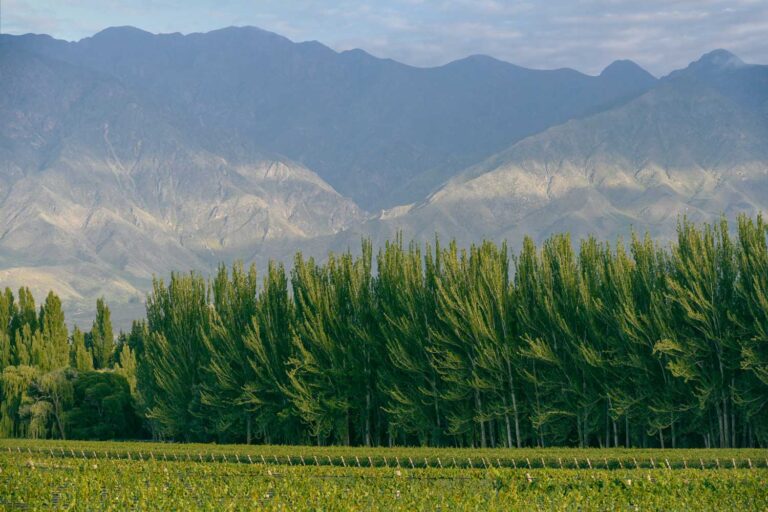
Wine tourism means visiting a winery to understand wine where it is born: walking the vineyard, seeing how it is made, tasting with a sommelier and, more and more, eating right there. In Mendoza the experience has something few places share: the Andes are always in view, and in less than an hour by car you go from a vineyard to the high mountains.
The other is altitude. Mendoza's vineyards are planted between 700 and 1,500 metres above sea level. That altitude creates a strong day-night temperature swing , and that swing gives the wines their lively acidity, firm tannins and deep colour. It is not marketing: it is the variable that most defines Argentine Malbec.
The three regions of Mendoza
The first decision on any wine trip to Mendoza is the region. There are three, and they are not interchangeable.
Luján de Cuyo
The historic home of Malbec. Vineyards between 750 and 1,100 metres. In 1989 it became the first Controlled Denomination of Origin in the Americas. Red-fruited, floral and spicy Malbec, with lively acidity and firm tannins.
Uco Valley
The highest region, above 1,500 metres, and the most recently developed. Fresher, fruitier wines with very marked acidity. It is home to most of the wineries with spectacular architecture.
Maipú
The lowest region and the closest to the city. Historically linked to everyday wines and olive oil. The easiest option if time is short.
The rule of thumb: with one day, go to Luján de Cuyo. With three or more, if you want contemporary architecture and extreme-altitude wines, add the Uco Valley.
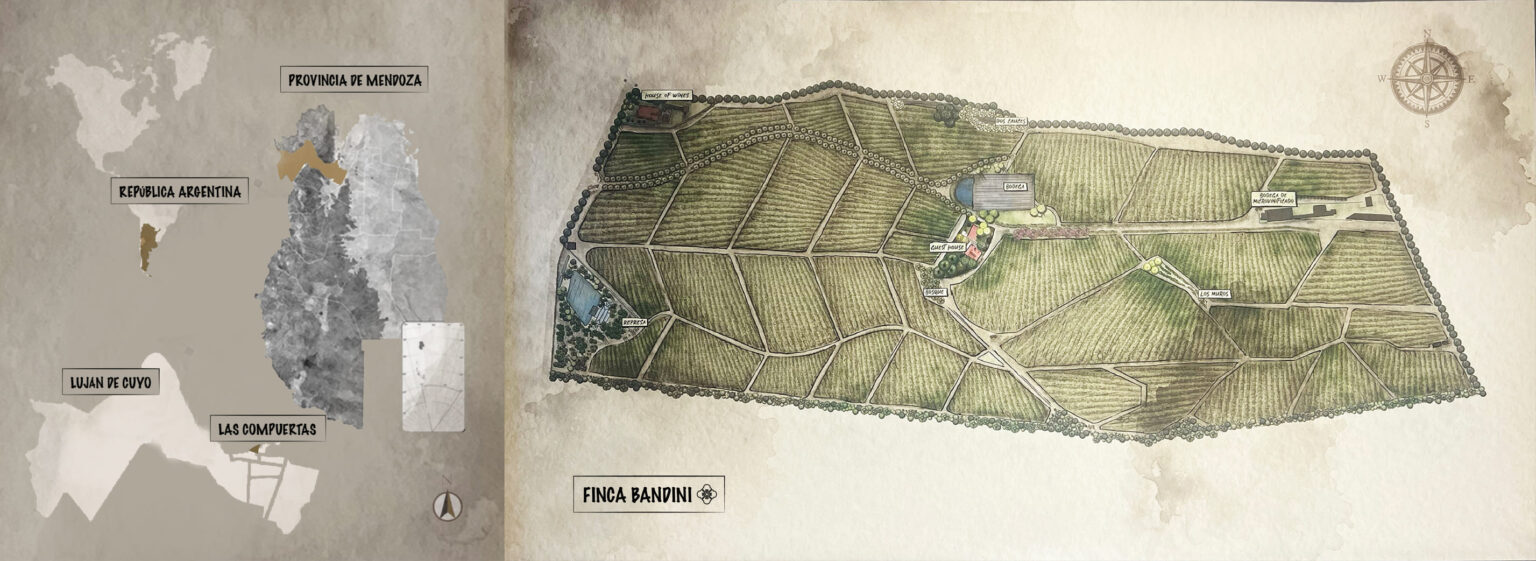
Within Luján de Cuyo, each district has its own identity. Las Compuertas is one of the oldest and highest: its vineyards sit at around 1,070 metres above sea level.
What defines it is not a winemaking technique. It is three things about the place:
- Altitude. At 1,070 metres the day-night temperature swing is strong. The grapes ripen slowly and keep their acidity.
- The soils. Alluvial and glacial in origin: stones carried down from the Andes along the riverbeds. Poor, stony soils that make the vine work. Small bunches, thick skins, natural concentration.
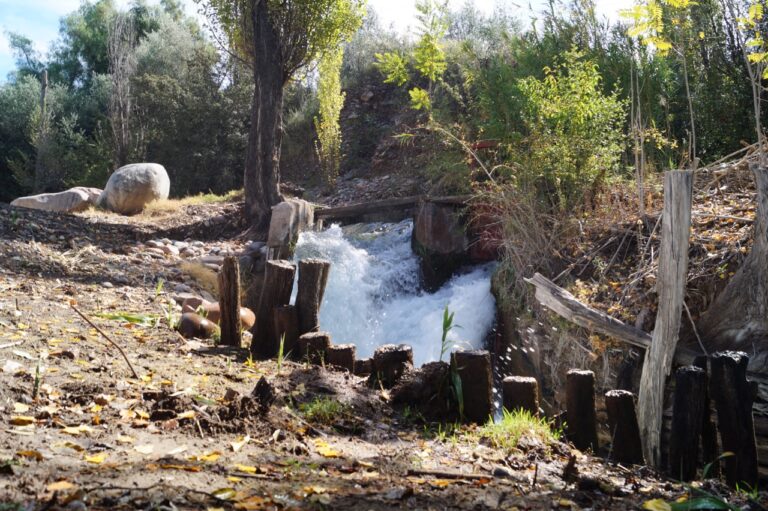
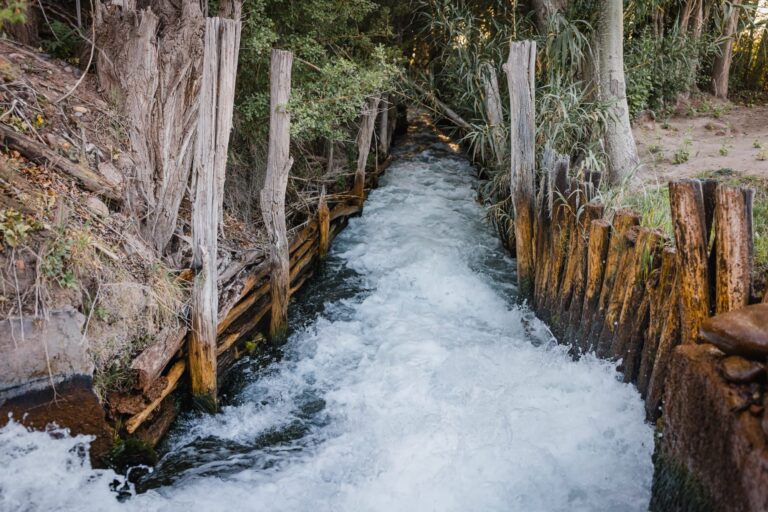
- The water. Las Compuertas (the floodgates) is named after the historic waterworks that managed snowmelt. The channels still run through the estates.
The result is a recognisable Malbec: floral, spicy, with lively acidity and elegant tannins. More about the terroir o discover the wines born here.
What does wine tourism cost in Mendoza
Prices vary a lot depending on whether the visit includes lunch, how many courses the menu has and how many glasses you taste. These are the real prices at Finca Bandini, a boutique winery in Las Compuertas, as of October 2026.
Menú del Día
ARS 67,500 per personMenú de Estación
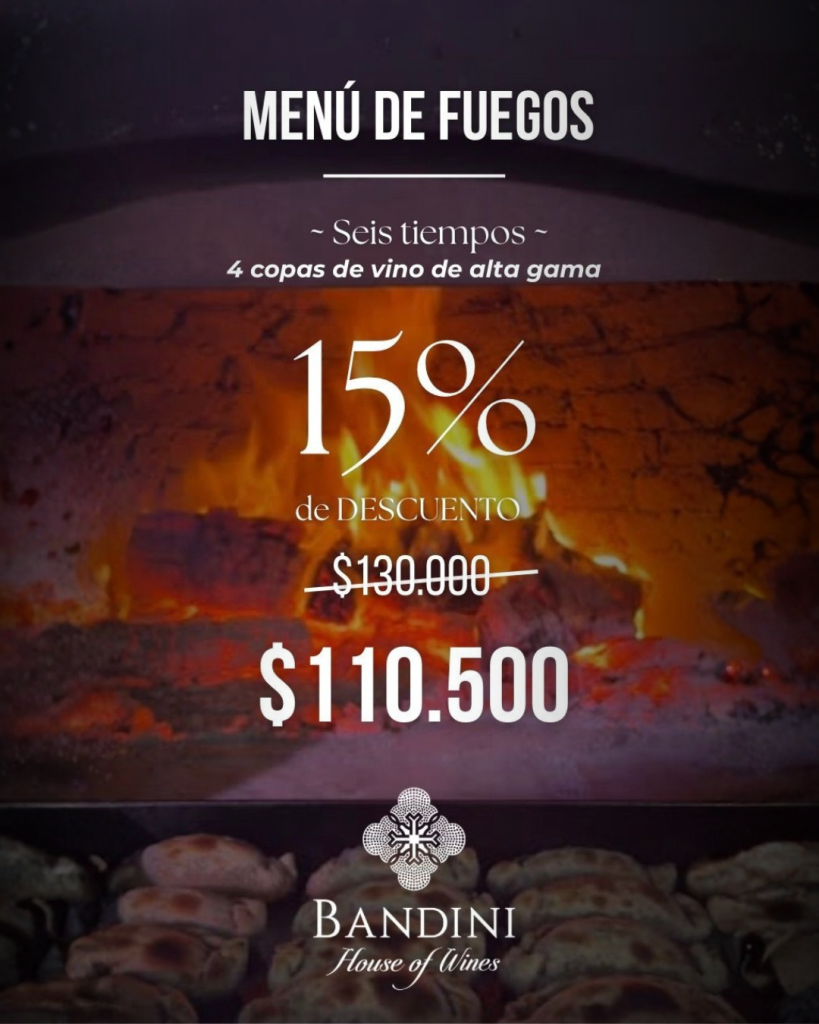
ARS 105,000 per personMenú de Fuegos
ARS 140,000 per personArgentine residents get 10% and 15% off the Menú de Estación and the Menú de Fuegos.
On top of that, add transport, which almost no winery includes. A private car or transfer from Mendoza city to Luján de Cuyo is a separate cost and should be arranged in advance: there is no convenient public transport to the estates.
When to go to Mendoza
There is no bad season. There are different seasons.
Summer
December to February. Long, hot days and cool nights. The best time for outdoor lunches and sunsets among the vines.
Harvest
Late February to April. High season. You see the harvest, the winery is in full swing and the whole province celebrates. Book well ahead.

Autumn
April to June. For many, the best time. The vineyard turns red and gold, there are fewer people and prices drop.
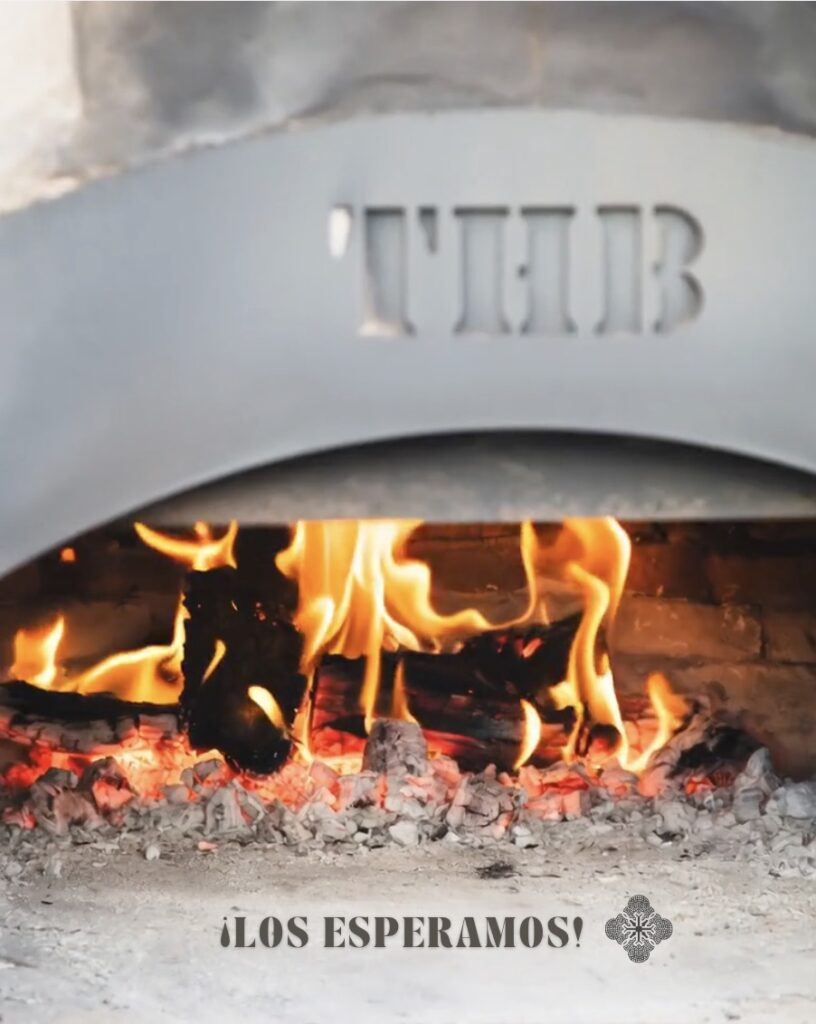
Winter
June to August. Bare vines and snow-capped Andes. The season of fire, the wood oven and slow-cooked dishes. Less classic postcard, more intimacy.
In every case: always book. Boutique wineries have small capacity and fill up, especially on weekends and holidays.
What a full day includes
A full visit to a boutique winery in Luján de Cuyo usually has four parts. Allow 3 to 5 hours: do not chain more than two wineries a day if lunch is involved.
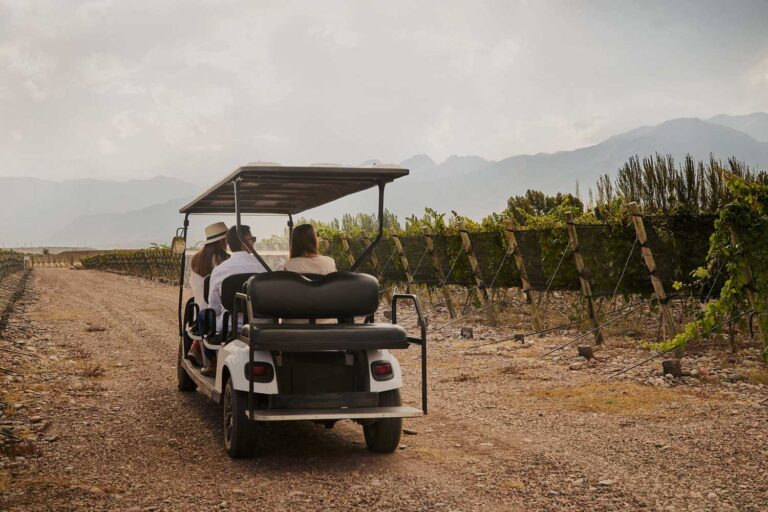
Tour
On foot, by golf cart, by bike or on horseback. This is where soil and altitude make sense.
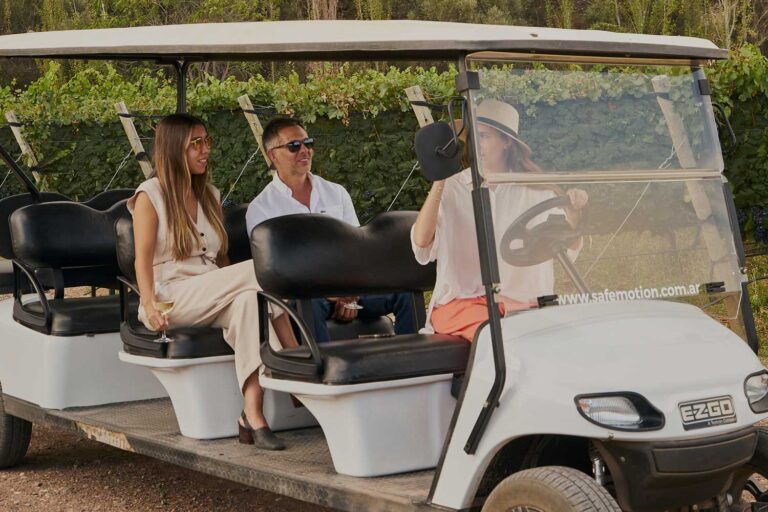
Tasting
Two to five wines with a sommelier. This is where you really learn.
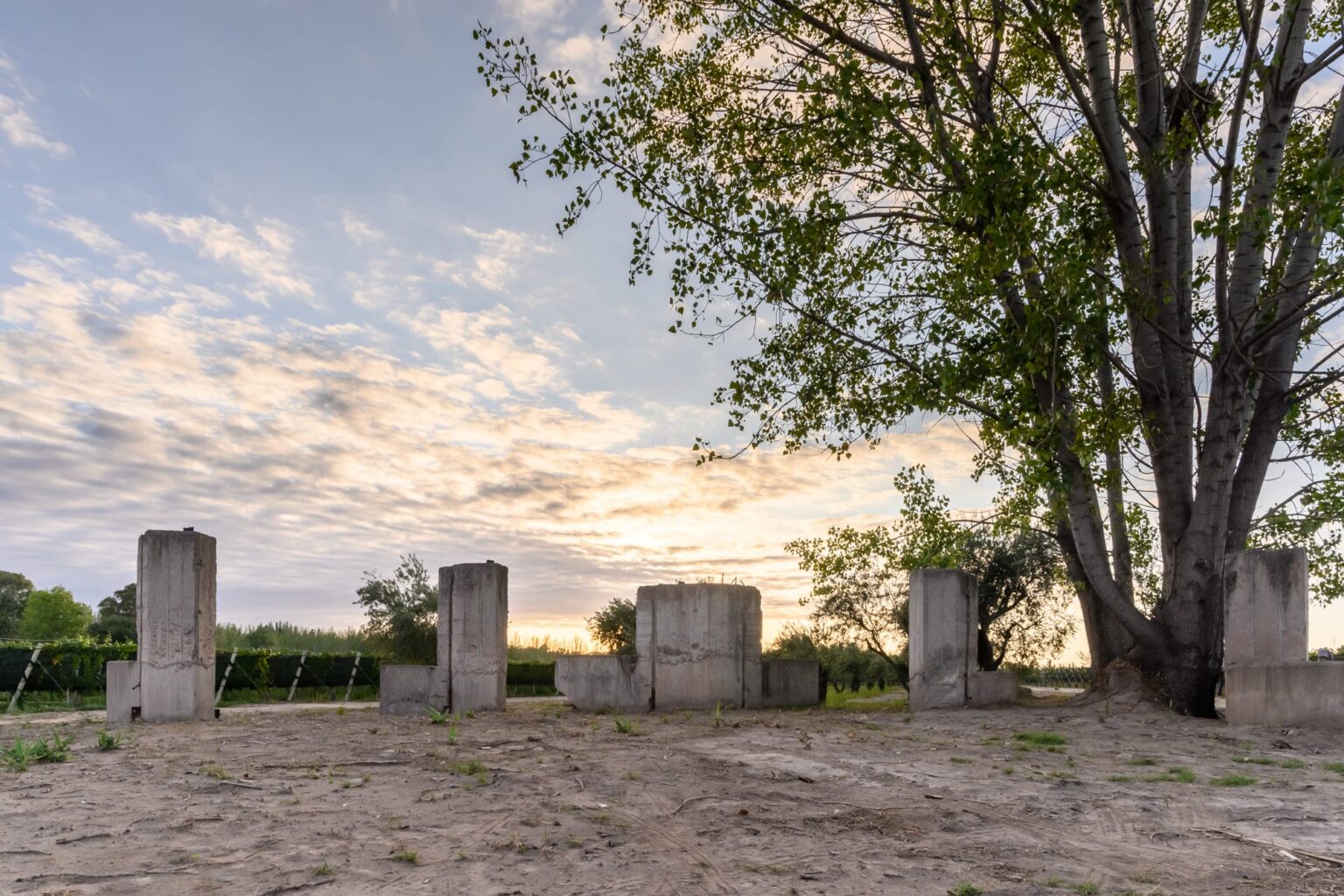
The winery
Tanks, barrels and, increasingly, concrete eggs and amphorae.
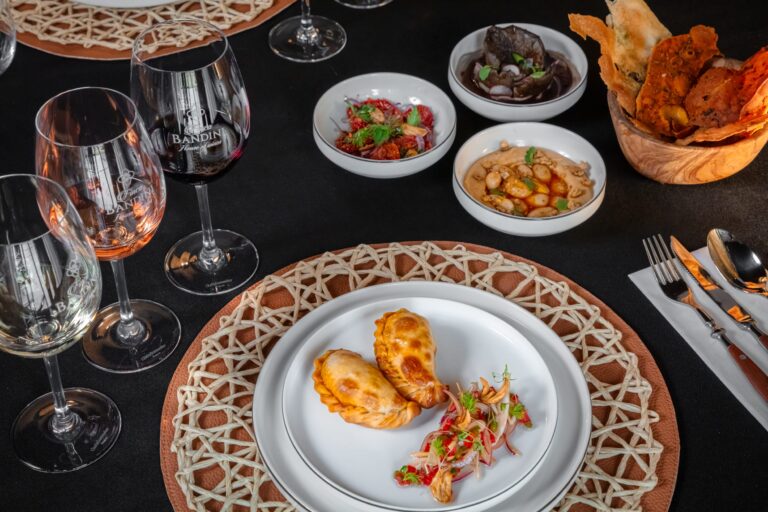
Lunch
What has grown most in recent years. Signature cuisine, paired course by course.
Visiting wineries with children: you can
It is one of the most common questions, and the short answer is yes, but not at every winery. Many are designed for adults and have no kids' menu or activities.
Those that are prepared usually offer vineyard tours by golf cart or bike, a kids' menu and some activity of their own. At Finca Bandini the golf cart tour is included in the guided tastings. See the visit options.
Practical tip: ask before booking and mention the children's ages. A winery that takes families seriously will handle it easily.
Getting there and getting around
Las Compuertas is about 20 to 25 minutes by car from downtown Mendoza. Luján de Cuyo in general is 20 to 40 minutes depending on the district.
There is no practical public transport to the estates. The real options are your own car, a private driver, a transfer or an organised tour. If you are tasting wine, decide who drives: a private driver or transfer is the best option.
What everyone asks
How much does a winery visit with lunch cost in Mendoza?
It depends on the menu. At Finca Bandini, in Las Compuertas, it starts at ARS 67,500 per person with the Menú del Día (3 courses, 2 glasses and vermouth) and goes up to ARS 140,000 with the Menú de Fuegos (8 courses, 6 paired glasses and vermouth).
Do I need to book?
Yes, always. Boutique wineries have limited capacity and fill up fast, especially on weekends and holidays. Book ahead.
Which is the best region in Mendoza for Malbec?
Luján de Cuyo is the historic home of Malbec and the first Controlled Denomination of Origin in the Americas, created in 1989 precisely to protect the variety. The Uco Valley produces higher-altitude Malbec with a fresher profile. Both are excellent, but the styles differ.
Can I do wine tourism without knowing about wine?
Yes. In fact it is the best time to start. A sommelier-led tasting where the wine is made teaches more than any book.
How many days do I need?
Two full days are enough to get to know Luján de Cuyo. With four or five, add the Uco Valley and some mountains.
Come and experience it at Las Compuertas
Guided tasting, a vineyard tour and lunch among the rows. From ARS 67,500 per person. Monday to Sunday, 9 am to 5 pm. Rated 4.8 out of 5 from 478 Google reviews.
Book on WhatsAppKeep exploring: wine tasting in Mendoza, best wineries to visit, winery lunch in Mendoza and things to do in Potrerillos.