
Guides
Mendoza holds 71.7% of Argentina’s vineyard area (National Wine Institute, INV, 2025 report) and close to 85% of the country’s Malbec. To understand Mendoza wine, it helps to start with four questions: which grape, from which region, from which soil and in which style. This guide answers them with concrete examples from Finca Bandini, a family estate in Las Compuertas, Luján de Cuyo.


Mendoza in a nutshell
Mendoza is a high desert. Its vineyards survive thanks to snowmelt water from the Andes, carried through a network of canals that dates back centuries, and they live with a large difference between day and night temperatures. Those two conditions explain why the wines combine concentrated fruit with fresh acidity. From there, what changes the glass is the grape, the region, the soil and the hand of the winemaker.
The grapes that define Mendoza
Malbec is the flagship: it arrived in Argentina in the mid-nineteenth century and found its true home in Mendoza. Cabernet Franc and Cabernet Sauvignon add structure and often appear in blends. Among the whites, Chardonnay is the most planted, and there are less common varieties worth trying, such as Gewürztraminer.
| Grape | What it usually tastes like | What to eat with it |
|---|---|---|
| Malbec | Red and black fruit, violets, friendly tannins and good body | Grilled beef, empanadas, milanesa |
| Cabernet Franc | Fresh red fruit, herbal and spicy notes; adds freshness to blends | Slow-cooked meats and aged cheeses |
| Cabernet Sauvignon | Firm tannins and structure; often the backbone of a blend | Lean cuts and rich sauces |
| Chardonnay | Fruity white with good acidity; crisp in steel, rounder in oak | Trout, fish, creamy cheeses |
| Gewürztraminer | Intense floral and fruity aromas, tropical notes; dry or naturally sweet | Spiced dishes, strong cheeses, fruit desserts |
| Malbec rosé | Delicate colour, freshness and lively acidity | Tapas, salads, fish, empanadas |
At Finca Bandini the Magno Corpore line brings together Malbec, Cabernet Sauvignon, Cabernet Franc and Chardonnay, and Gewürztraminer shows two faces: a dry version in Los Muros and a naturally sweet one. It is an easy way to see how the same grape changes with the way it is made.
The regions: First Zone, Uco Valley and the East
Luján de Cuyo and Maipú form the so-called First Zone, the traditional heart of Mendoza wine, 20 to 30 minutes from the city. The Uco Valley lies further south and higher, at the foot of the Andes. The East is the high-volume region. As a rule, the higher the vineyard, the colder the nights and the more acidity and freshness the wine keeps; in the First Zone, Malbec usually shows body and ripe fruit.
Within Luján de Cuyo, Las Compuertas is one of the historic Malbec districts: it has more than 110 years of vineyards and was the first area of the province recognised as a Geographical Indication. If you want to visit the area, see our guide to things to do in Luján de Cuyo.
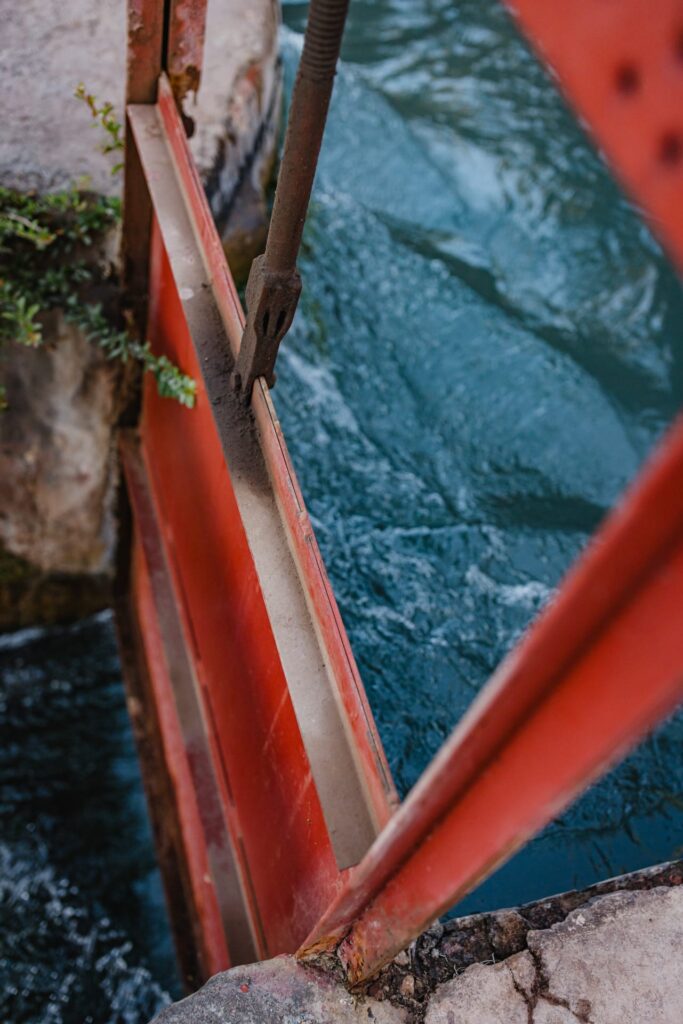
Why soil matters: the old bed of the Mendoza River
Finca Bandini lies on the border between Las Compuertas and Vistalba, on the ancient bed of the Mendoza River: alluvial soils full of rounded stones, with a wide day-night temperature range. The vineyard is irrigated with Andean snowmelt and managed plot by plot with precision viticulture. The Traminer and Supraterra blocks sit at 1,030 and 1,050 metres above sea level, and the 1922 walls that still frame the estate give their name to the Los Muros line. The Gewürztraminer is goblet-trained, a system in which each vine grows freely as a small bush, without a trellis.
Mendoza wine and the Argentine table
Malbec is the natural partner of meat from the grill, and of empanadas too. Whites such as Chardonnay work with trout, fish and creamy cheeses; Malbec rosé suits tapas and salads; a sparkling Malbec opens a celebration or closes a dessert; and a naturally sweet wine finds its place with fruit desserts. At Aluvial, the estate’s restaurant, each course of the wine-paired tasting menus is built around these combinations.
Serving temperature and storage
| Type of wine | Serving temperature | Why |
|---|---|---|
| Sparkling, rosé and young whites | 6 to 10 °C | Well chilled: freshness is what defines them |
| Fuller whites with oak | 10 to 12 °C | Slightly warmer, so the aromas open |
| Malbec and young reds | 16 to 18 °C | Neither warm nor icy; a hot red feels heavy |
To store wine, keep bottles lying down in a cool, dark place with a stable temperature, away from the kitchen and direct light. Once opened, a red keeps for a couple of days well stoppered; sparkling wine is best finished the same day.

How to read an Argentine wine label
- Grape variety: it anticipates the style; a Malbec is nothing like a Chardonnay.
- Vintage: the year of harvest. It matters less in young wines and more in wines for ageing.
- Origin: the region or Geographical Indication where the grapes were grown.
- Line: wineries organise their wines by range; the line tells you whether it is an everyday wine or a limited edition.
- Ageing: stainless steel, oak barrels or ceramic vessels, each of which changes the texture of the wine.
How to taste a Mendoza wine
The orderly way to taste is to look, smell, sip and compare. A guided tasting trains your palate to tell one grape from another and a young wine from an aged one. Our wine tasting guide explains it step by step.
What to try at Finca Bandini
- Dos Cauces: Malbec, whites and a 100% Malbec rosé from the same vineyard, fermented in stainless steel.
- Los Muros: plot wines and limited editions, such as Los Muros Gewürztraminer 2024 (70% stainless steel and 30% second-use barrels, with tropical notes and a mineral edge).
- Magno Corpore and Terroir Único: the estate’s icons, from selected harvests.
- Supraterra: single-plot Malbec aged in ceramic vessels, in micro-vinifications of 2,000 bottles.
- Aurum: sparkling Malbec.
- Naturally Sweet Gewürztraminer 2026: the winery’s first sweet wine, its natural sweetness balanced by lively acidity.
- Supra Terra: the house vermouth, made with the estate’s own wine as base.

You can see the full range on our wines page, taste it during a visit, or order it at home: read how to buy Mendoza wine online.
Taste it at the source:book online or WhatsApp +54 9 261 507-2516. Current days and hours are on the visits page. Finca Bandini, Callejón Peralta s/n, Las Compuertas, Luján de Cuyo.
Frequently asked questions
What is the most famous wine from Mendoza?
Malbec. Mendoza grows close to 85% of Argentina’s Malbec, and the grape found its best expression in the province’s high-altitude vineyards.
What are the main wine regions of Mendoza?
The First Zone (Luján de Cuyo and Maipú), closest to the city; the Uco Valley, higher and further south; and the East, the high-volume region.
What makes Las Compuertas special?
It is one of the oldest and highest Malbec districts in Luján de Cuyo, with alluvial soils from the old Mendoza riverbed, and it was the first area of the province recognised as a Geographical Indication.
At what temperature should I serve Malbec?
Between 16 and 18 °C: cool, but not cold. A red served too warm feels heavy and alcoholic.
Which Mendoza wines should I try besides Malbec?
Cabernet Franc, a fresh Chardonnay, a Malbec rosé and a sparkling Malbec. At Finca Bandini, the dry and naturally sweet Gewürztraminer are unusual in the region.
Degustación guiada, recorrido por los viñedos y almuerzo entre las hileras
Desde $67.500 por persona. Lunes a domingo de 9 a 17 hs, con reserva previa. 4.8 de 5 con 478 reseñas en Google.
Reservar por WhatsApp